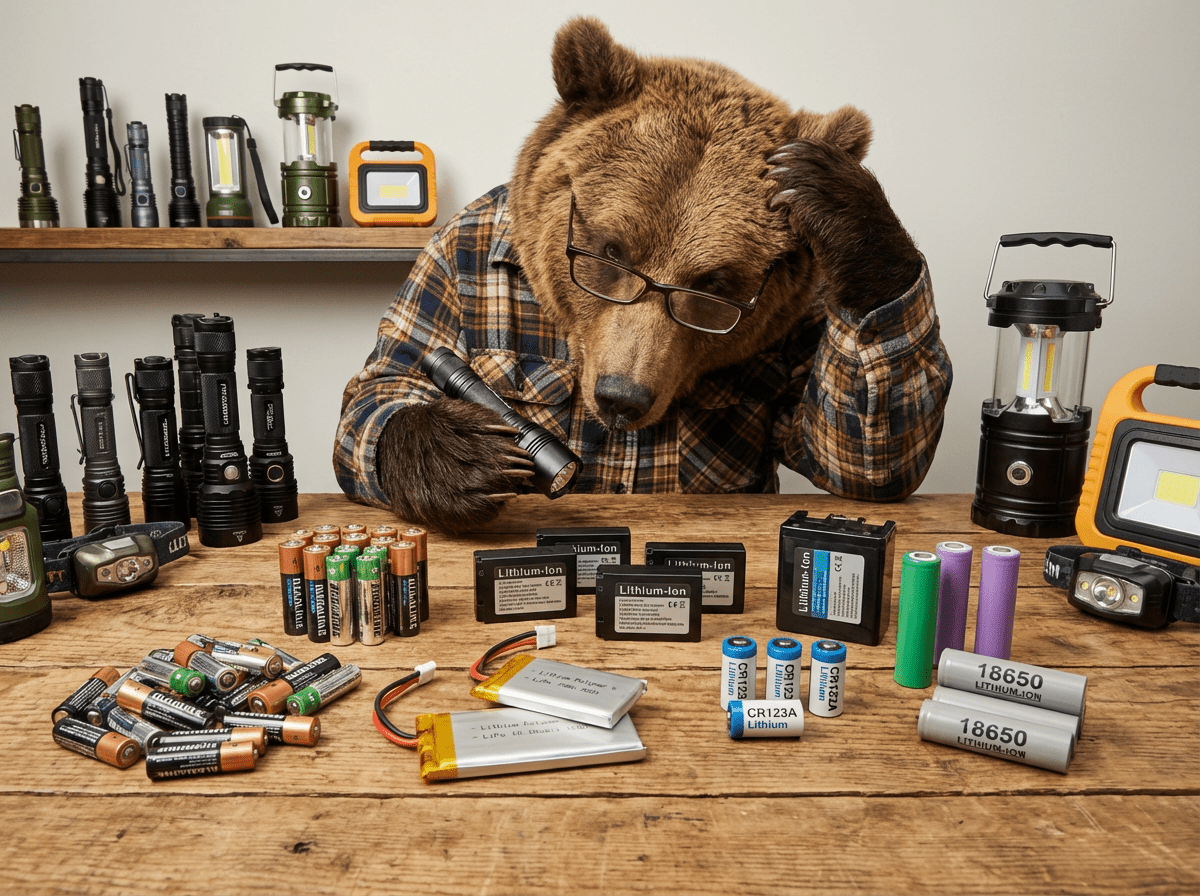
Whether you're utilizing a tactical light for self-defense, outdoor activities, or professional use, the type of battery powering it can significantly impact its performance. Understanding the different battery types, their pros and cons, and how they compare is crucial for getting the most out of your tactical light. This article delves into the best batteries for tactical lights, helping you make an informed decision.
Overview of Tactical Lights
Before we dive into the battery aspect, it's essential to understand what tactical lights are and what they require. Tactical lights are compact, durable flashlights often designed to withstand harsh conditions. They generally feature high lumen output, advanced beam control, strobe modes, and portability.
High-performance batteries are crucial because they directly affect a tactical light's brightness, runtime, and efficiency.
Common Battery Types for Tactical Lights
1. AA and AAA Batteries
Description: The standard alkaline or rechargeable nickel-metal hydride (NiMH) batteries.
Pros:
- Readily available and widely used.
- Low cost.
- Decent energy density (1.5V for alkaline, typically around 1.2V for NiMH).
Cons:
- Limited runtime compared to lithium-ion batteries.
- Alkaline batteries can lose charge over time if not used.
- Best For: Casual users looking for easy access to replacements in everyday scenarios.
2. Lithium-Ion (Li-ion) Batteries
Description: Rechargeable batteries that pack a lot of power into a compact size.
Pros:
- High energy density (typically 3.6-3.7V).
- Longer lifespan with thousands of recharge cycles.
- Less self-discharge compared to alkaline batteries.
Cons:
- More expensive upfront.
- Requires specific chargers and can be less straightforward in terms of disposing of or recycling.
- Best For: Frequent users who demand maximum performance and reliability.
3. Lithium Polymer (LiPo) Batteries
Description: A variation of lithium batteries, known for their lightweight design and form factor flexibility.
Pros:
- Lightweight and customizable shapes make them ideal for compact designs.
- High discharge rates, suitable for powerful tactical lights.
Cons:
- It can be more difficult to charge safely and require a specialized charger.
- Sensitive to physical damage and can be hazardous if punctured.
- Best For: Users looking for ultralight solutions, often in specialized tactical scenarios.
4. CR123A Lithium Batteries
Description: A popular battery type used in many tactical lights and cameras.
Pros:
- Compact size and high energy density (3V).
- Excellent shelf life, can hold a charge for up to 10 years.
- Great performance in extreme temperatures.
Cons:
- Slightly more expensive than AA/AAA.
- Non-rechargeable versions, though rechargeable CR123A batteries are available, but often with lower performance.
- Best For: Users of tactical lights that require reliable power in compact designs.
5. 18650 Lithium-Ion Batteries
Description: A cylindrical rechargeable battery commonly used in high-performance flashlights.
Pros:
- High capacity, typically around 2500-3500mAh.
- Rechargeable and widely available with various protection circuits.
- High voltage and discharge rate.
Cons:
- Require specific chargers; not as universally compatible as AA/AAA options.
- Size may not fit all tactical light designs.
- Best For: Users needing high-performance output for long durations.
Considerations When Choosing Batteries for Tactical Lights
- Brightness and Runtime: Higher voltage batteries like lithium-ion or 18650 allow for brighter lights and extended runtimes.
- Weight: If you're in a tactical scenario requiring mobility, opt for lightweight solutions like CR123A or LiPo batteries.
- Ease of Replacement: AA and AAA batteries are widely available and easy to swap out in emergencies, making them suitable for general use.
- Rechargeability: If you use your tactical light frequently, investing in rechargeable lithium-ion batteries can save you money and reduce waste over time.
- Environmental Conditions: Consider where you will use your tactical light. Some batteries perform better in extreme temperatures, while others may fail quickly. Lithium batteries, for instance, tend to perform better in cold weather.
Conclusion
Choosing the correct battery for your tactical light can significantly enhance its performance and suitability for your specific needs. While AA and AAA batteries may be the most accessible and easy to use, lithium-ion and CR123A batteries offer the high capacity and performance required for serious tactical use. Assess your needs, consider your activities and environments, and choose accordingly to ensure you have the optimal setup for your tactical light.
In recent years, there has been a marked shift toward lithium-based technologies given their advantages in discharge rates and rechargeability. Moving forward, it's essential to stay up to date on emerging technologies in battery systems to ensure your tactical equipment remains at the forefront of performance and reliability.
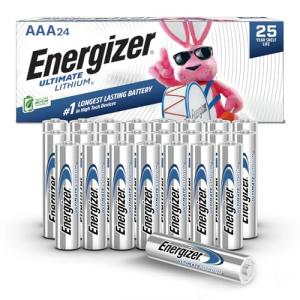
Energizer Ultimate Lithium AAA Batteries, 24 Count
Power your devices with long-lasting Energizer Ultimate Lithium AAA Batteries, perfect for all your tactical needs
Product information
$65.97 $40.61
Product Review Score
4.91 out of 5 stars
208 reviews